Main Wavelengths and Applications in Medical Aesthetic Light Therapy
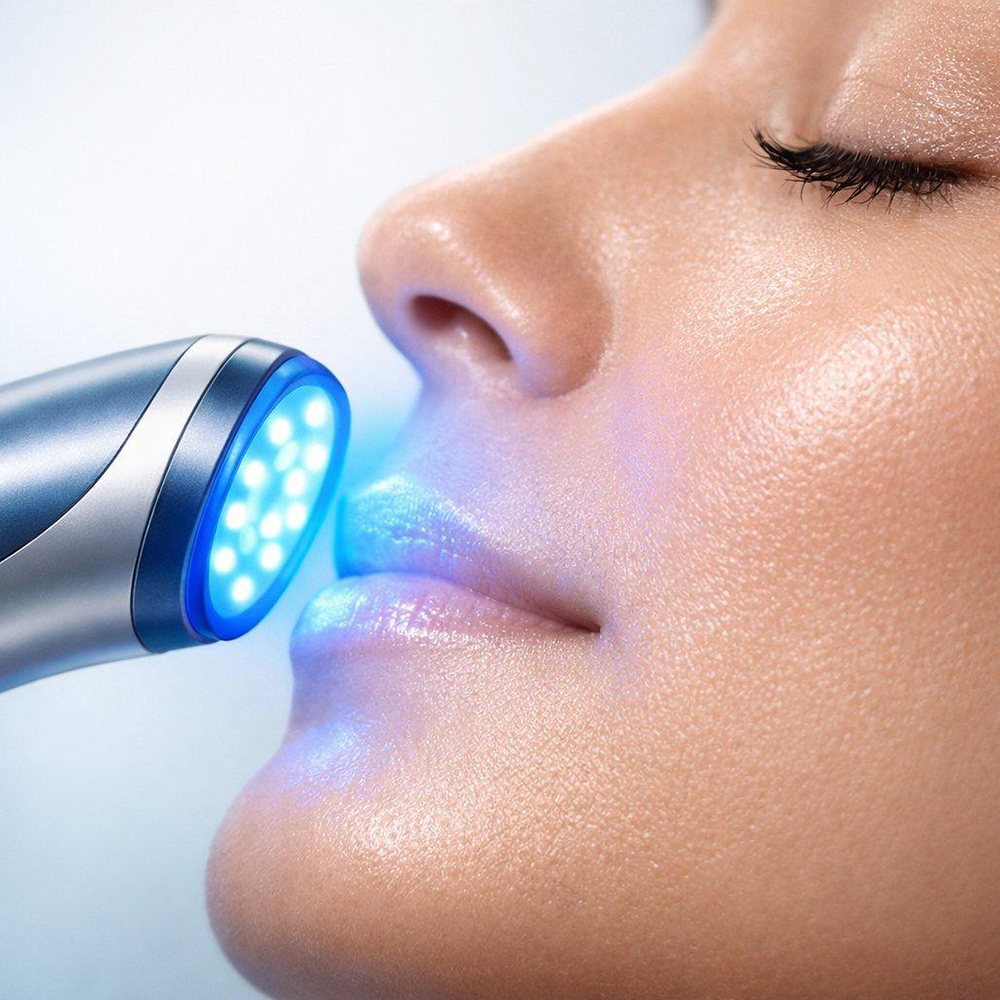
In beauty devices, LED phototherapy is widely used in home-use beauty masks, handheld beauty devices, phototherapy chambers, and body-care equipment due to its high safety, low heat generation, and ability to provide large-area illumination. Its core mechanism is Photobiomodulation (PBM): chromophores in cellular mitochondria absorb light energy at specific wavelengths, which may promote ATP production and regulate reactive oxygen species and inflammatory factors, thereby supporting tissue repair, anti-inflammatory responses, and collagen synthesis.
Wavelength determines the depth of light penetration. Blue light primarily acts on the epidermis; green, yellow, and orange light mainly reach the epidermis and superficial dermis; red light can penetrate into the dermis; while near-infrared (NIR) light can reach deeper tissues such as subcutaneous tissue, muscles, and joints. This article provides a systematic overview of commonly used phototherapy wavelengths and their applications in beauty and wellness devices.

1. Key Wavelengths and Main Applications
1. Blue Light 410–480 nm: Antibacterial, Oil Control, and Acne Care
410/415 nm:
A commonly used wavelength range for acne care. Porphyrins produced by Cutibacterium acnes have strong absorption around 415 nm. Blue-light exposure can generate reactive oxygen species (ROS), helping inhibit bacterial activity and reduce inflammatory acne.
465 nm:
Primarily used for antibacterial applications, oil control, and improving inflammatory acne and redness. It should be noted that promoting blood circulation and increasing oxygen supply are more commonly associated with red and near-infrared light, while blue light has a relatively shallow penetration depth.
480 nm:
Blue light around 480 nm can affect light-sensitive receptors in the eye and suppress melatonin secretion, thereby participating in circadian rhythm regulation. For facial beauty devices, users should avoid prolonged high-dose exposure close to bedtime, particularly when the eyes are open or when light leakage reaches the eyes, as it may interfere with sleep.
2. Green Light 515–530 nm: Skin Brightening and Soothing
Green light has relatively shallow penetration and primarily acts on the epidermis. It may help improve superficial microcirculation, reduce mild surface redness, and support a more even-looking skin tone and a brighter appearance.
Its effects on enlarged pores and skin laxity are relatively limited. Green light is therefore commonly combined with red or near-infrared light in multi-wavelength phototherapy devices.
3. Yellow Light Around 590 nm (585–595 nm): Soothing and Skin Barrier Support
Yellow light is generally considered a low-energy light treatment that may help reduce skin and vascular hyperreactivity, soothe sensitivity and redness, and support cellular activity and skin-barrier recovery.
It may be suitable for sensitive skin and as an adjunctive option for rosacea care, as well as soothing care following laser procedures or sun exposure.
585 nm is more commonly associated with superficial vascular and redness-related applications, while 590 nm is more focused on soothing redness and supporting skin-barrier recovery.
4. Orange Light 600–610 nm: Dry Skin and Elasticity Care
Orange light lies between yellow and red light and provides a relatively gentle phototherapy option. It may help support skin hydration and elasticity, making it suitable for dry skin and early-stage skin-aging care.
5. Red Light 620–740 nm: A Key Wavelength Range for Collagen and Skin Repair
630 nm:
May provide anti-inflammatory effects and support skin-barrier recovery. It may help regulate intracellular oxidative stress, reduce inflammatory responses, and support natural collagen production. Red light can penetrate approximately 1–3 mm and reach the dermal layer.
650 nm:
A commonly used wavelength in home-use beauty devices. It is used for skin rejuvenation, wrinkle care, recovery of damaged skin, pore appearance, and supporting collagen production. It may also indirectly help improve skin brightness and the appearance of superficial pigmentation.
660 nm:
One of the deeper-penetrating wavelengths within the red-light range. It is commonly used in wellness and recovery applications, including post-exercise recovery, reducing exercise-related fatigue and inflammation, supporting soft-tissue recovery, and helping relieve certain types of nerve-related discomfort and swelling.
730 nm:
A specialized wavelength used in certain deep-acting photodynamic therapy applications in combination with specific photosensitizing agents. Such applications require professional operation and are not considered standard home-use or superficial LED phototherapy.
6. Near-Infrared Light 740–1300 nm: Deep-Tissue Recovery and Body Care
755 nm:
755 nm alexandrite lasers are commonly used in medical aesthetic procedures such as pigmentation treatment, tattoo removal, and hair removal. Low-level 755 nm LED phototherapy is less commonly used in conventional beauty phototherapy.
780 nm:
Commonly used in near-infrared imaging and endoscopic illumination. It is not a mainstream wavelength for skin beauty phototherapy.
808 nm:
A commonly used wavelength for semiconductor laser hair removal. Low-level 808 nm LED phototherapy is primarily used in wellness applications such as exercise recovery, muscle recovery, circulation support, and adjunctive wound recovery.
830 nm:
May support tissue repair, reduce the risk of infection, and assist bone-related recovery. It may also contribute to endorphin release and help relieve certain types of pain.
850 nm:
Commonly used for skin and body-care applications. It may support wound healing, muscle recovery, and the reduction in the appearance of fine lines, wrinkles, and pigmentation, making it suitable for skin-rejuvenation and body-care devices.
940 nm:
Water absorption is relatively strong at 940 nm, resulting in a more pronounced thermal effect. It may be used in wellness applications involving degenerative joint discomfort, chronic tendon discomfort, rheumatoid arthritis-related discomfort, and back pain. Exposure time and skin temperature should be carefully controlled to reduce the risk of excessive heating or thermal injury.
1065 nm:
Low-level 1065 nm LED phototherapy is mainly explored for deeper photobiomodulation, tissue recovery, and circulation-related applications. In contrast, high-energy 1064 nm Nd:YAG lasers are used in medical aesthetic procedures involving pigmentation, tattoo removal, hair removal, fat reduction, and wrinkle treatment. These two technologies should not be confused.
1070 nm:
With relatively deep penetration, 1070 nm light may reach the deeper dermis and subcutaneous tissue. It may be used in advanced anti-aging and body-care applications to support skin elasticity and reduce the appearance of deeper wrinkles.
1350 nm:
Because water absorption is relatively high at this wavelength, 1350 nm is mainly used for skin remodeling in high-energy devices. Its application in low-level LED phototherapy is relatively limited, and energy levels must be carefully controlled.
2. LED Components for Beauty and Phototherapy Devices
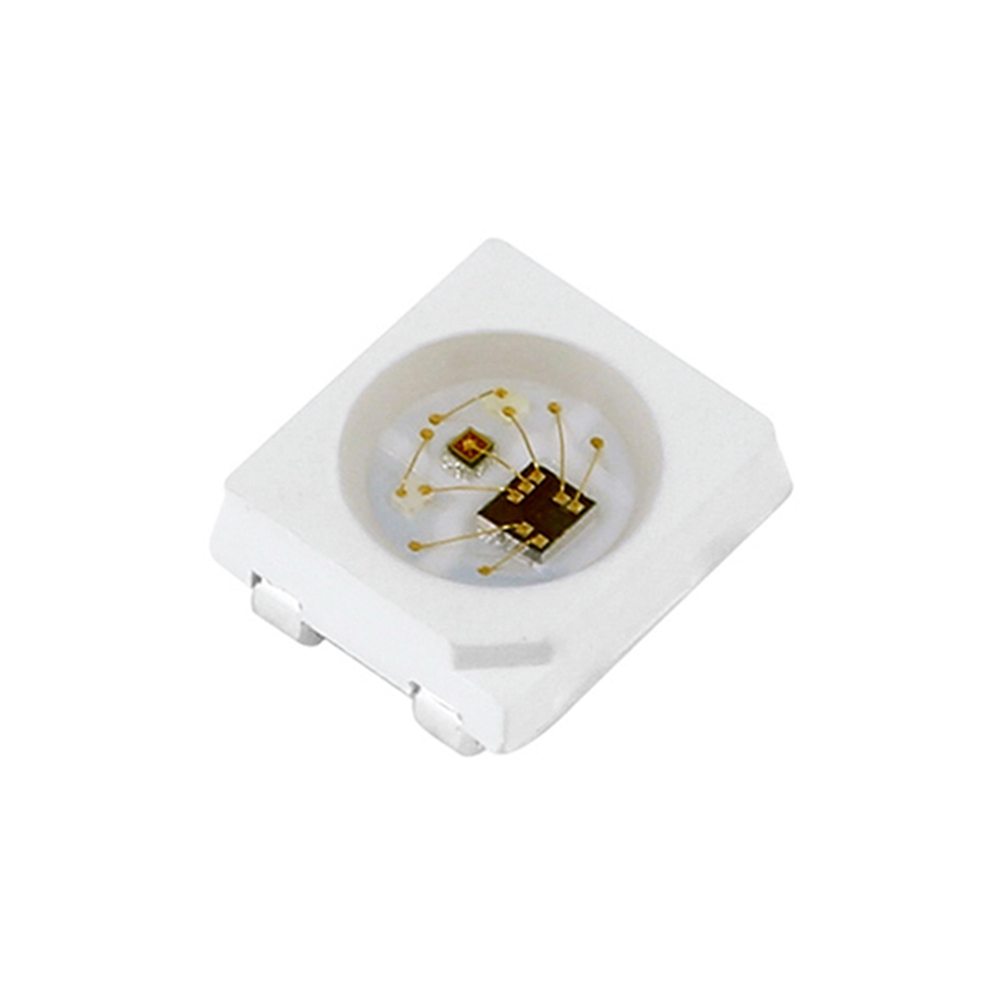
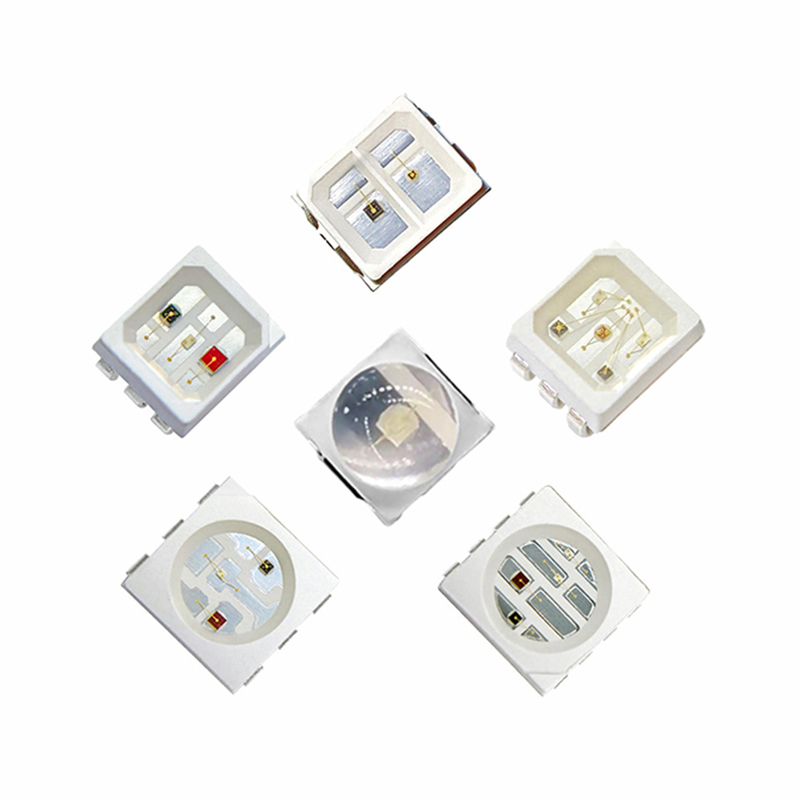
Our LED components are available in a wide range of packages to meet the customization requirements of different beauty and phototherapy devices, including 5050, 3535, 3030, 2835, and 3528, as well as single-color, dual-color, RGB, RGBW, and multi-color configurations.
We support multi-wavelength integration, customized wavelength combinations, mixed-light solution design, and optical matching, backed by experience working with beauty-device customers.
If you are developing LED beauty masks, handheld phototherapy devices, phototherapy chambers, body-care equipment, or other light-based beauty products, feel free to contact us for recommendations on wavelength combinations, LED package selection, and optical solutions.

3. Important Notes
LED phototherapy is generally used as an adjunctive beauty and wellness approach. If the relevant device is not a medical device, it should not be considered a substitute for professional clinical treatment and should not be promoted as having disease-curing effects.
Actual results may vary depending on the individual, device specifications, irradiance, treatment duration, wavelength combination, and other factors. The information provided in this article is for reference and informational purposes only.
2724 Full color RGB LED Built-in Low-Power IC