The Impact of SMD LED on Display Screens
The Fundamental Impact of SMD LED Diodes on the Quality of LED Display Screens
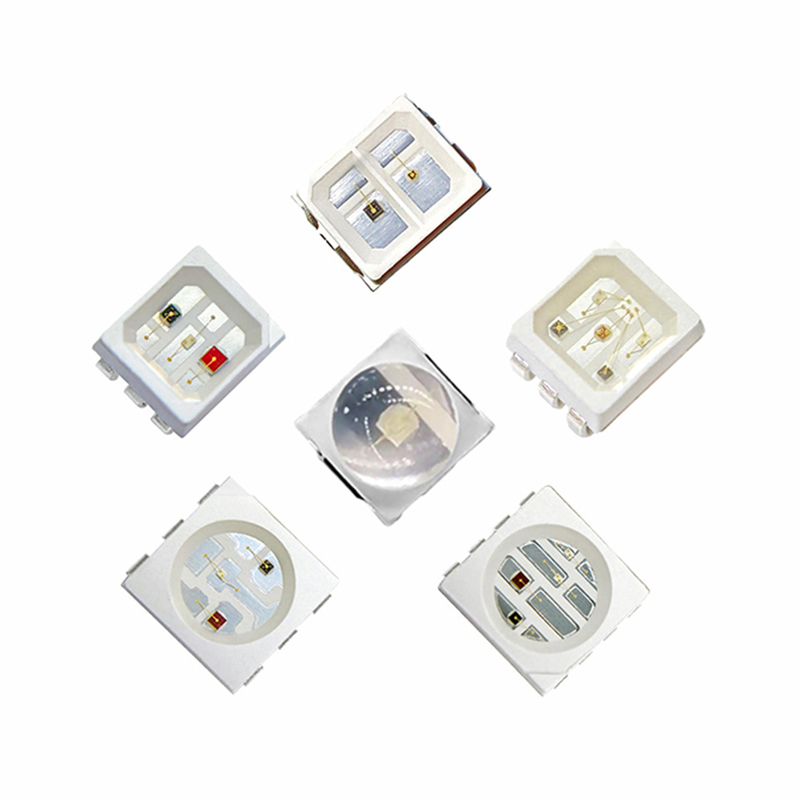
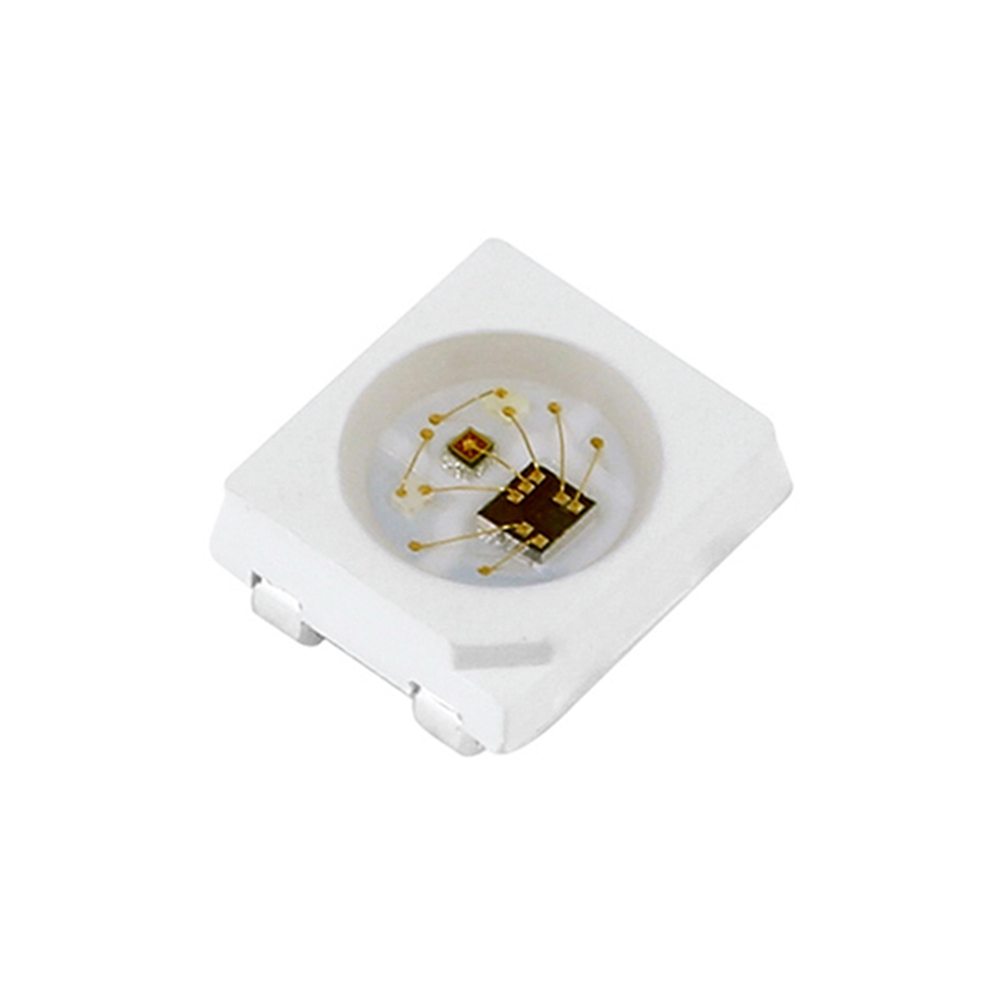
Within the structure of LED displays, one component stands out: it is the most numerous, accounts for the highest proportion of costs, and holds the strongest technological relevance—the LED lamp bead. As the core light-emitting unit that directly converts electrical energy into light energy, the quality and performance of lamp beads fundamentally determine a display's visual performance, reliability, and lifespan. Therefore, the primary focus of material selection and quality control begins with a deep understanding and precise management of the LED chips.

I. LED Chips: The Physical Foundation Determining Display Performance
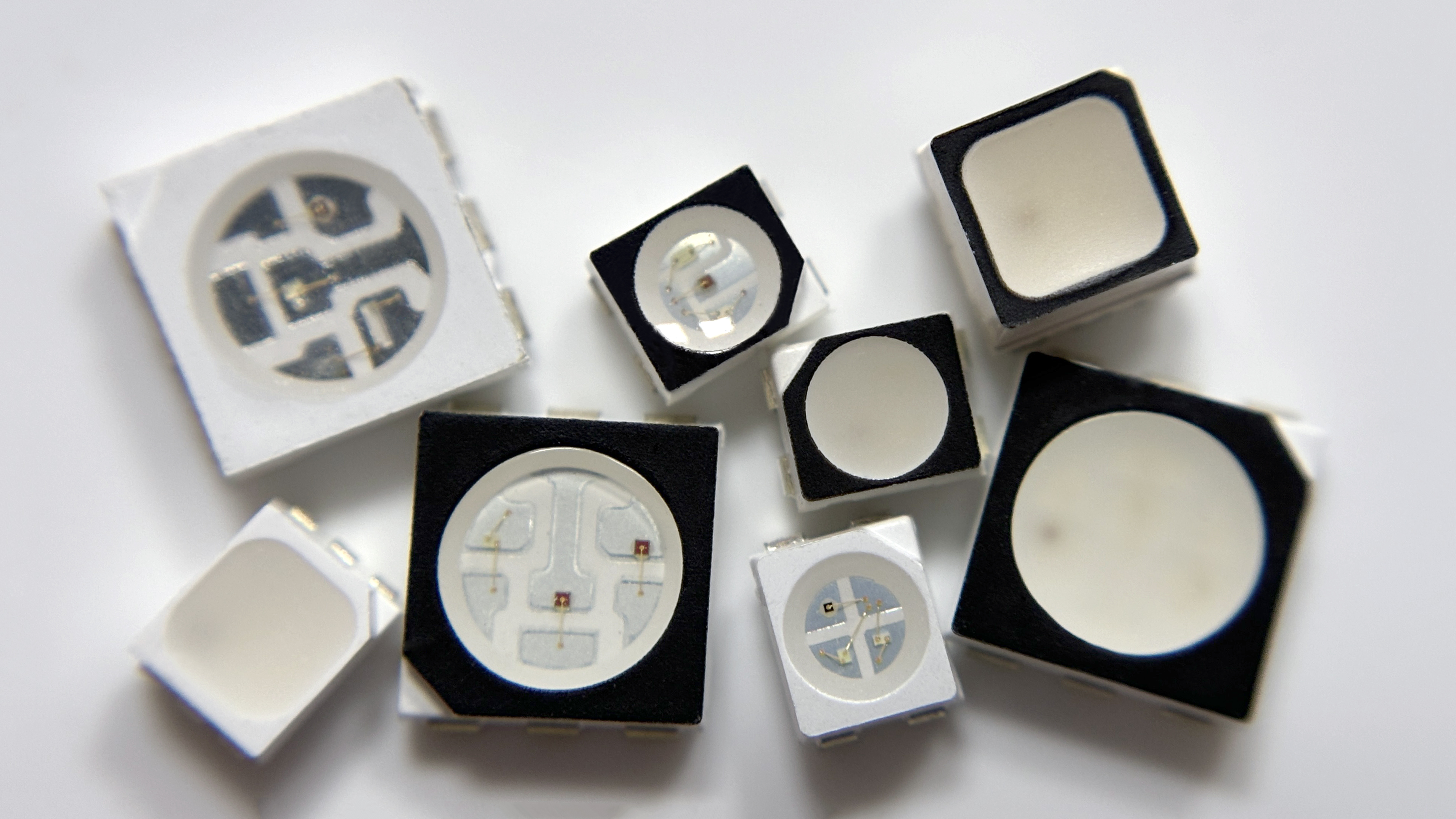
An LED chip is not merely a simple light source but a sophisticated optical system. The material and structure of its internal chip determine luminous efficiency and theoretical lifespan; while the phosphor, encapsulant, and substrate used in packaging directly influence the emitted light's color, purity, and consistency. Each LED serves as a microscopic light source for the three primary colors—red, green, and blue. When thousands of such light sources converge, they collectively form the macro-level display image.
Thus, the raw performance parameters of the LED directly set the upper limit for the entire screen's display capabilities. Key display metrics—brightness, color gamut, and color fidelity—achieve their theoretical maximum values the moment the LED is encapsulated. Subsequent circuit design, driver control, and image processing fundamentally aim to fully and losslessly unlock and manage the potential of these light sources.
II. Multi-dimensional Impact on Visual Experience
LED characteristics directly influence the viewer's visual experience across multiple dimensions:
1. Balance of Brightness and Energy Efficiency
The luminous intensity of LED chips forms the foundation for achieving high display brightness. However, pursuing ultra-high brightness is not the sole objective. High-quality chips exhibit greater luminous efficacy at rated current levels, enabling displays to operate at lower current thresholds while meeting brightness requirements. This not only reduces overall energy consumption but, more critically, low-current operation significantly slows LED light decay, laying the groundwork for long-term stability and color consistency.
2. Color Consistency and Uniformity
This is one of the core metrics for evaluating display quality. Ideally, all LEDs of the same color should emit light with identical wavelength and brightness. However, microscopic variations in materials and manufacturing processes inevitably cause objective deviations. The industry employs rigorous “spectral sorting” procedures to classify LEDs into extremely narrow parameter ranges (BIN). Using LEDs with tighter binning intervals is the fundamental physical prerequisite for ensuring outstanding color uniformity at the factory stage. No post-calibration technique can fundamentally compensate for excessive parameter dispersion inherent in the LEDs themselves.
3. Viewing Angle and Experience
The design of the LED encapsulation lens determines how luminance intensity distributes across viewing angles. Superior designs provide wider and more uniform viewing angles both horizontally and vertically, ensuring minimal color and brightness shifts when viewed from different positions. This is crucial for large-area displays or scenarios with diverse viewing angles, serving as the key to consistent visual experiences.
III. Core Impact on Long-Term Reliability and Lifespan
The long-term value of a display largely depends on its reliability and stability, which are closely tied to LED chip quality.
1. Decay Characteristics and Color Stability
All LED chips experience luminous decay over extended operation. Different chip materials exhibit varying decay rates, with blue and green chips typically decaying faster than red chips. Poor decay control or excessive disparity in the decay curves of the three primary colors can lead to “screen blooming” in later stages of use—manifesting as brightness reduction and white balance drift (e.g., images appearing ‘yellowish’ or “bluish”). High-quality LEDs utilize optimized chip technology and encapsulation materials to maintain extremely low and synchronized decay rates, ensuring color stability for thousands or even tens of thousands of hours.
2. Failure Rate and Structural Robustness
A single display contains tens of thousands to millions of LEDs, where any single failure can become a conspicuous dead pixel. The failure rate of LEDs directly reflects the precision of their manufacturing process and the reliability of their materials. Furthermore, as semiconductor devices, LEDs are highly sensitive to electrostatic discharge (ESD). Their built-in ESD protection capability is crucial for withstanding electrostatic shocks during production, transportation, installation, and use. High-specification anti-static design is the cornerstone for the long-term stable operation of displays.
IV. Beyond Isolated Parameters: System-Level Synergy and Control
Understanding the importance of LED chips goes beyond pursuing extreme values for any single parameter. True professionalism manifests in systematic comprehension, selection, and control:
1.Parameter Matching:
For different application scenarios (e.g., indoor high-density small-pitch displays, outdoor high-ambient-light environments), select LED chip models with matched brightness, size, and viewing angle—rather than simply chasing “highest brightness” or “smallest size.” .
2.Scientific Drive:
Providing precise, constant operating current with reasonable margin is key to optimizing performance and extending lifespan. Overdriving is the primary cause of premature light decay and failure.
3.Thermal Management Design:
LED efficiency and lifespan are highly temperature-sensitive. Superior display designs incorporate efficient heat dissipation structures to maintain LEDs within optimal temperature ranges, ensuring sustained performance and stability.
Conclusion
Within the LED display supply chain, LED chips serve as the convergence point between upstream technology and downstream applications. They embody innovations in fundamental materials science while directly defining the baseline quality of end-user display products. Selecting a display screen inherently involves choosing the quality standards and control philosophy of its underlying LED chips.
For professional manufacturers, profound understanding, rigorous selection, and scientific application of LED chips form the fundamental principles guiding the entire product lifecycle—from design and manufacturing to quality control. This reflects not only technical prowess but also a solemn commitment to the long-term value of the product and the customer's return on investment.
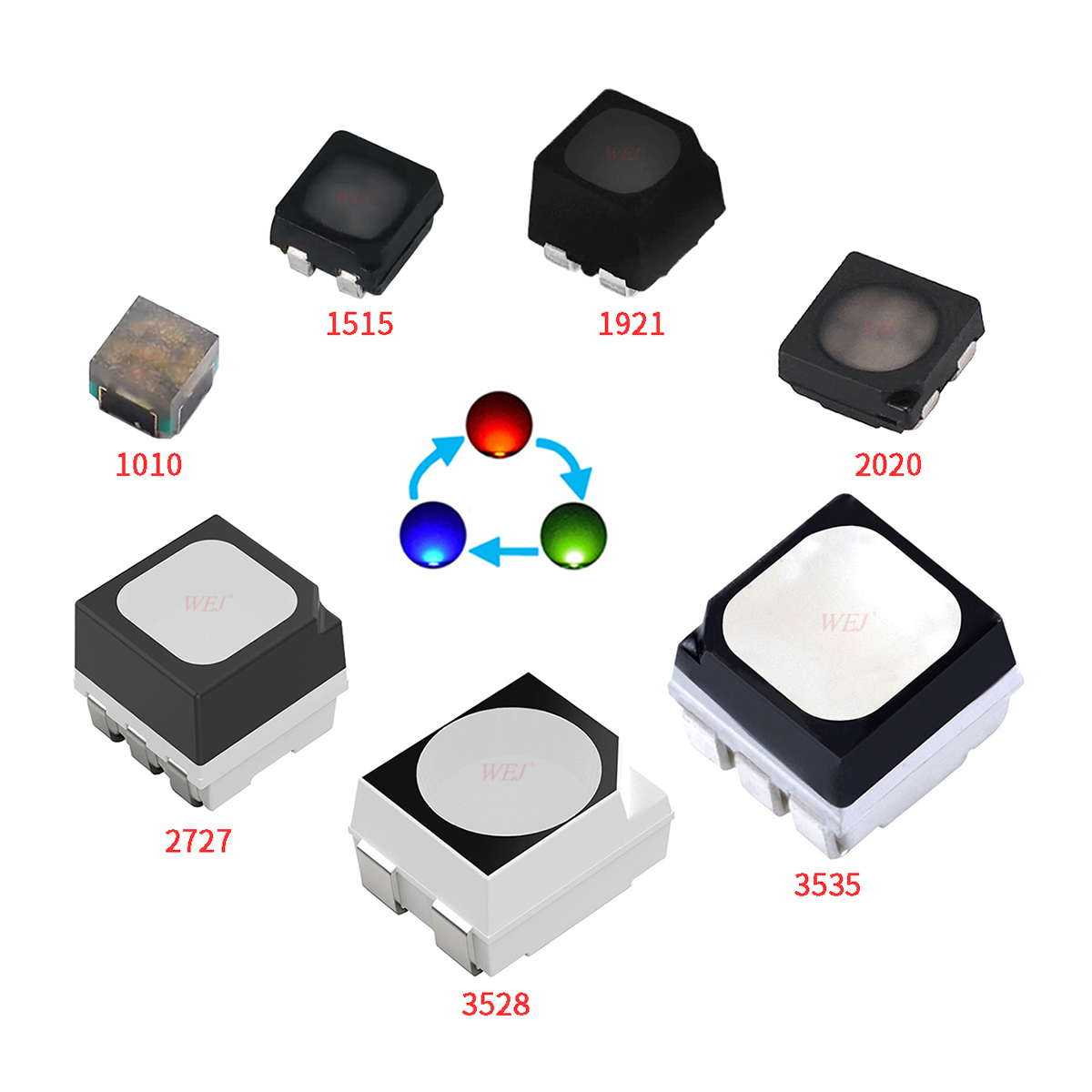
China WEJ has dedicated over 25 years to the semiconductor discrete device industry, consistently prioritizing customer needs to deliver comprehensive solutions and accumulating extensive technical expertise. Our primary LED models for displays include: 1010 RGB LED, 1515 RGB LED, 1921 RGB LED, 2020 RGB LED, 2727 RGB LED, 3528 RGB LED, and 3535 RGB LED. We firmly believe that only by ensuring the exceptional quality of core components from the source can we ultimately create a truly reliable display screen, where every frame withstands the test of time.
Membrane Switches
850nm vs 940nm Infrared LED